Electronic Device Mockup for Graphics and Electronic Devices Mockups
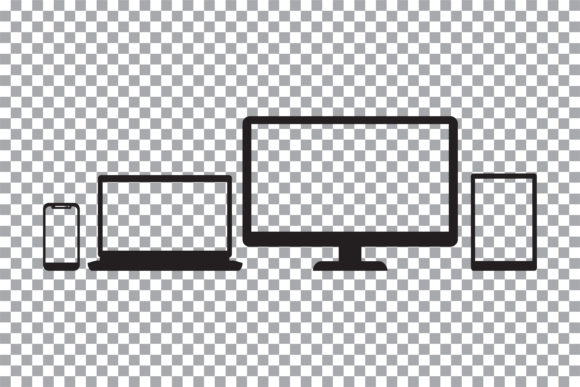
As a brand designer and content marketer, I recently came across the Electronic Device Mockup, a versatile graphic design asset that promises to streamline visual storytelling for digital campaigns. This vector design mockup includes monitors, laptops, smartphones, and tablets—each fully editable in EPS format. It's simple to work with and highly customizable, making it ideal for a wide range of branding and marketing needs.
First Impressions: A Modern and Versatile Graphic Design Asset
The first thing that caught my attention was the clean, modern aesthetic of the Electronic Device Mockup. It exudes professionalism while maintaining a subtle edge that appeals to both casual and premium branding. The design feels approachable yet polished, which makes it suitable for lifestyle content, product promotions, and editorial graphics. Its neutral base allows for easy customization, ensuring it can be adapted to fit various brand identities without feeling forced or mismatched.
This mockup brings a sense of innovation and tech-forward energy to any campaign. It’s particularly effective for brands targeting younger demographics, such as startups, edgy fashion labels, or digital product creators. However, its adaptability means it can also be used in more traditional settings when paired with the right color schemes and typography.
Real-World Application: Integrating the Mockup into a Marketing Campaign
Let’s imagine a small business launching a new smartwatch. They need visuals that showcase the device in a variety of contexts—social media posts, email banners, website headers, and packaging inserts. The Electronic Device Mockup becomes a key tool in this process.
For social media, the mockup is perfect for Instagram posts and Pinterest pins where high-quality visuals are essential. It allows the brand to present the smartwatch in realistic scenarios, such as on a desk, in a hand, or against a backdrop that reflects the target audience’s lifestyle. Similarly, for Facebook ads and digital banners, the mockup helps create a cohesive look across platforms, reinforcing brand identity through consistent visual elements.
In print, the mockup can be used in packaging accents or promotional flyers, offering a seamless transition from digital to physical branding. For web design, it can serve as a hero graphic or lead magnet, drawing attention to the product while maintaining a professional appearance.
Supporting Marketing Goals Through Visual Consistency
The Electronic Device Mockup supports several key marketing goals. It enhances the first impression by presenting products in a realistic and visually appealing way. It improves visual hierarchy by allowing designers to place key information—such as product names, features, or calls to action—strategically around the mockup.
Consistent use of the mockup across different assets reinforces brand recognition and builds trust with the audience. Whether it's used in a blog graphic, an email banner, or a Canva template, the mockup ensures that all campaign visuals align with the brand’s overall identity.
Moreover, it helps create emotional connections with the audience by placing the product in relatable situations. This is especially valuable for lifestyle content, event promotions, or seasonal offers, where the visual narrative plays a crucial role in engagement.
Where the Mockup Shines: Ideal Use Cases
The Electronic Device Mockup works best in scenarios where the focus is on product presentation and brand visibility. It excels in:
- Hero graphics for landing pages or product launch announcements.
- Campaign headers that introduce new products or services.
- Social media covers that reflect the brand’s tech-savvy image.
- Packaging accents that add a modern touch to physical products.
- Content bundles for creative marketplaces or design kits.
- Promotional banners for digital ads or online events.
- Editorial layouts that feature technology-related content.
- Decorative brand elements that reinforce the brand’s visual language.
Use with Caution: Limitations and Best Practices
While the Electronic Device Mockup is incredibly versatile, there are situations where it may not be the best choice. For example, it might not suit formal corporate branding or designs that require dense information layouts. In these cases, the mockup could compete with the main message or dilute the overall impact.
It should also be used carefully in small mobile graphics, where the details of the mockup might get lost or appear cluttered. Low-contrast backgrounds and overly minimal brand identities may not benefit from the mockup’s design unless it’s adjusted accordingly.
To ensure optimal results, I recommend testing the mockup with your brand’s color palette and checking how it performs in black and white. Preview it on mobile screens and test readability in smaller sizes. Compare it against competitor visuals to maintain a unique brand voice. Also, consider how it pairs with different font styles—serif, sans serif, script, or display fonts—to achieve the desired tone.
Practical Brand Designer Notes
Before using the Electronic Device Mockup in a paid campaign or client project, verify that you have a commercial license. This ensures legal compliance and protects your brand’s reputation. Additionally, review spacing and balance within the design to avoid overcrowding or misalignment.
Place the mockup inside real campaign mockups to see how it integrates with other design elements. Test it across various formats—print, web, and social media—to ensure consistency. Finally, confirm that it complements your brand’s visual hierarchy and supports the core message of your marketing efforts.
Whether you're a small business owner building a content kit, a designer creating a digital product, or a marketer preparing for a product launch, the Electronic Device Mockup offers a powerful tool for crafting engaging and professional visuals. Its flexibility, ease of use, and strong visual appeal make it a valuable addition to any brand’s design arsenal.