Bucket Hats - Vector Template Mockup Review
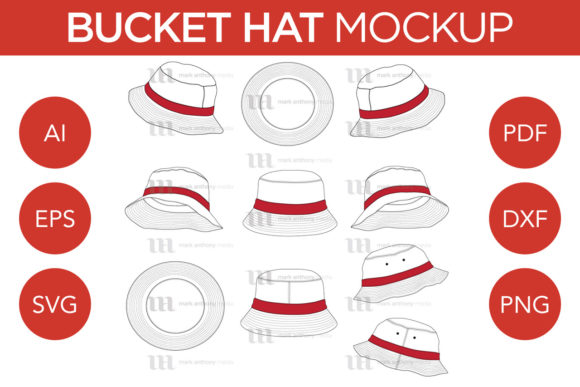
When I first opened the Bucket Hats - Vector Template Mockup, my immediate thought wasn't about the file formats or the layer structure. It was about the shape itself. There is something undeniably charming yet functional about the bucket hat silhouette that makes it a staple in modern streetwear and casual fashion. As someone who has spent years reviewing embroidery designs for real-world application, I look past the marketing fluff to see how a design actually translates from a digital screen to a physical piece of fabric. This template promises versatility with ten different angles, layered files, and extensive format support, but does it hold up when you are trying to create a cohesive brand identity for your small business?
The visual personality of this mockup feels grounded and practical. Unlike some overly stylized vector templates that lose their structural integrity when scaled down, this one maintains a clean, recognizable outline that suggests durability. The mood it creates is one of approachability and trend-awareness. It fits naturally into the world of custom apparel, where customers want something that looks professional but also feels personal. Whether you are designing for a boutique clothing line or creating personalized gifts for a craft fair, the Bucket Hats - Vector Template Mockup offers a solid foundation. It doesn't scream for attention with unnecessary frills; instead, it provides a canvas that lets your specific embroidery work take center stage.
I recently put this design through a simulated workflow to test its viability for a client project involving a series of custom tote bags and baby items. The goal was to create a matching set of embroidered patches and printed mockups to show potential buyers before production began. Using the Caps Amp category logic, I realized how crucial accurate representation is when selling handmade products online. If your digital preview looks off, customers assume the final stitched product will be too. The detailed layers in this file allowed me to isolate specific areas of the hat, such as the brim and the crown, to visualize how different stitch types would interact with the fabric texture.
In terms of real-life performance, the Bucket Hats - Vector Template Mockup shines when used as a visual aid for clients. Imagine you are an Etsy seller preparing listings for holiday gifts. You can use these editable vector assets to create high-quality printable mockups that show exactly how a customer's chosen thread colors will look on a hat. This level of detail builds trust. When a buyer sees a realistic rendering of their personalized gift, they feel more confident in their purchase decision. The ability to edit the vector means you aren't stuck with a static image; you can adjust the angle to match the lighting of your photography or change the perspective to fit a specific layout requirement.
However, a designer must remain cautious about where this design is applied. While the vector template is excellent for visualization, translating it into a machine embroidery design requires careful consideration of the physical constraints. For instance, using this design on a curved surface like a cap or a bucket hat presents unique challenges. The curvature can distort stitch density if not accounted for during digitizing. If you are planning to use this as a guide for a machine embroidery design intended for direct stitching, you need to ensure that the hoop size accommodates the curve without puckering the fabric. Small hoop sizes might struggle to capture the full depth of the hat's shape, leading to a flattened appearance in the finished product.
Fabric selection plays a pivotal role here as well. The Bucket Hats - Vector Template Mockup works beautifully on stable, medium-weight fabrics like cotton twill or denim often found in tote bags and aprons. However, applying similar design principles to thin, stretchy fabrics like jersey or delicate knits could result in distortion. The tension required to hold the fabric taut in the hoop might cause the material to warp around the hat shape, ruining the crisp lines of the embroidery. Similarly, dark fabrics require a higher thread count or a specific underlay strategy to prevent the base color from showing through, which can muddy the visual appeal of the design.
For those looking to create embroidered patches or decorative accents, the detail level of this template is a double-edged sword. While the vector is detailed, extremely fine lines and tiny lettering can get lost in the stitching process, especially if the final product needs frequent washing. Embroidery is inherently textural, and sharp corners can sometimes round out slightly depending on the needle type and thread weight used. It is essential to review the stitch density in the actual digitized file to ensure that dense fill stitches do not bunch up or pull the fabric, particularly on smaller items like baby clothes or kitchen towels.
The versatility of this asset extends beyond just physical products. As a digital embroidery file component, it serves as a powerful tool for commercial designers creating branding materials. You can integrate the hat shape into larger compositions for sweatshirt embroidery or blanket designs. The layered nature of the file allows for creative manipulation, letting you experiment with different thread colors and stitch patterns without altering the underlying structure. This flexibility is invaluable for crafter business owners who need to produce a wide variety of small shop products efficiently.
To ensure the best results, I recommend a few practical steps before committing to a full production run. First, always test the design on scrap fabric that matches the weight and texture of your final material. This helps you gauge how the stabilizer interacts with the fabric and whether the hoop size is sufficient for the intended area. Second, check the thread color contrast carefully. A design that looks vibrant on a white background might appear dull on a navy blue fabric unless you adjust the shading or add a contrasting border. Third, inspect the small details closely. Sometimes, what looks perfect in a vector software window can become illegible once converted to stitches.
Finally, consider the licensing and usage rights associated with the Bucket Hats - Vector Template Mockup. If you intend to sell finished items featuring this design, or if you plan to resell the digital assets themselves, you must confirm the commercial terms explicitly. Many creators offer free or paid licenses that restrict how their work can be monetized. Ensuring you have the right permissions protects your craft business from legal issues and maintains your reputation as a professional Etsy seller or designer.
Ultimately, the Bucket Hats - Vector Template Mockup is a robust tool for any designer looking to elevate their presentation and streamline their workflow. It bridges the gap between digital imagination and tangible reality, allowing you to visualize the end result with confidence. By understanding its strengths and limitations, you can create stunning, professional-grade projects that resonate with customers and stand the test of time. Whether you are crafting a personalized gift for a loved one or building a brand for a new line of custom apparel, this template provides the reliable structure you need to succeed.